
17th-Century Made Cowboy Hats: History, Craftsmanship, and Legacy

Cowboy hats have long been an iconic symbol of the American West, but their history stretches back centuries. The 17th-century made cowboy hats were not just practical headgear—they were a statement of craftsmanship, social status, and style. Today, these hats are appreciated not only for their historical value but also for the artistry and tradition that went into making them. For collectors and enthusiasts, understanding the origins of these early cowboy hats helps to appreciate the evolution of this timeless accessory.
The Origins of Cowboy Hats
Contrary to popular belief, cowboy hats did not originate in the 19th century. The earliest versions were inspired by European wide-brimmed hats worn by Spanish settlers and cattlemen in the Americas. By the 1600s, these hats had evolved to meet the needs of ranchers, herders, and workers who required protection from sun, wind, and rain.
The 17th-century made cowboy hats were practical and functional. Crafted from felt, leather, or straw, these hats were wide-brimmed to shield the face and neck from harsh weather. Unlike later cowboy hats, which became more stylized, the early hats emphasized durability, comfort, and functionality over fashion.
Materials and Craftsmanship
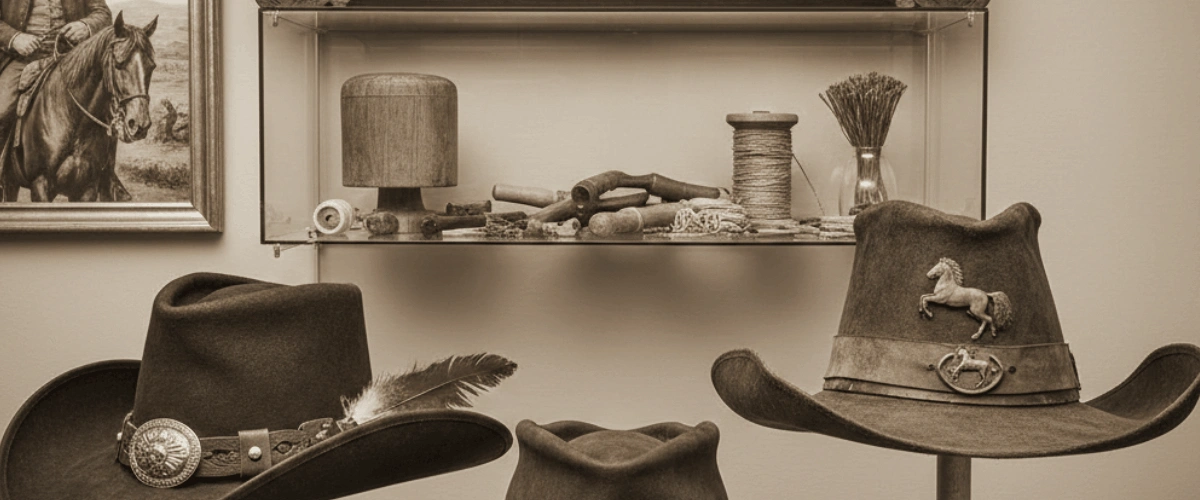
One of the defining characteristics of 17th-century cowboy hats was the quality of craftsmanship. Hat makers, often called milliners or hatters, would carefully select materials like beaver felt, wool, or straw. Beaver felt, in particular, was prized for its durability, water resistance, and ability to hold shape.
The process of creating a cowboy hat during this period was labor-intensive:
- Felt Production – High-quality felt was created by matting and pressing animal fur or wool. This provided a stiff but moldable material.
- Blocking – The felt was steamed and shaped over wooden molds or blocks to create the crown and brim.
- Stiffening – Some hats were treated with resins or waxes to enhance water resistance and maintain shape.
- Trimming – Leather bands, chin straps, or decorative elements were added. While decoration was minimal in the 17th century, some hats included subtle embroidery or stitching.
This attention to detail meant that each hat was unique. Many surviving examples of early cowboy hats are now museum pieces, admired for their precision and historical importance.
Functionality Over Fashion
The 17th-century made cowboy hats were designed primarily for function. Life on the ranch, in open plains, or during cattle drives required headwear that could withstand the elements. The wide brims protected cowboys from scorching sun and sudden rain showers. The tall crowns allowed air circulation, keeping the wearer cool in hot climates.
Chin straps and bands prevented hats from blowing away during strong winds. In colder regions, the felt material also provided warmth. While modern cowboy hats often serve as fashion statements, early cowboy hats were purely practical and built to last.
Influence of Spanish and Mexican Culture
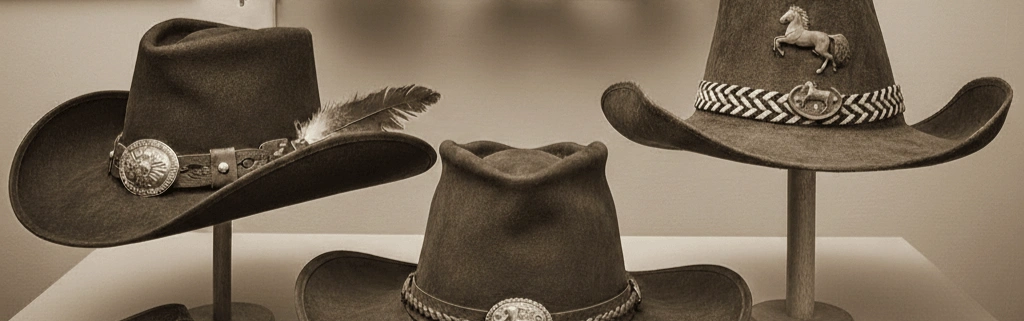
The design of early cowboy hats was heavily influenced by Spanish and Mexican settlers. The vaqueros of Mexico, skilled horsemen and cattle herders, wore broad-brimmed hats known as “sombreros.” These hats were the inspiration for the American cowboy hats of the 17th century.
The Spanish influence is evident in the shape and construction techniques. Wide brims, high crowns, and durable materials were borrowed directly from the vaquero tradition. Early settlers in the American West adapted these designs to suit local climates and working conditions.
Evolution Over Time
Although the 17th-century cowboy hat was practical and functional, it laid the foundation for the iconic Western hat that emerged in the 19th century. Over time, the design evolved to include:
- Shaped Brims – Later cowboy hats featured upturned sides for style and practicality.
- Decorative Bands – Leather or braided bands became more common.
- Color Variations – Darker felt for durability and lighter straw for summer wear.
- Custom Crowns – Crowns were shaped differently based on personal preference or regional style.
Despite these changes, the basic elements of the early hats—wide brim, tall crown, and durable material—remained consistent. Understanding the craftsmanship of 17th-century made cowboy hats helps appreciate why modern hats still follow similar principles.
Iconic Features of 17th-Century Cowboy Hats
Several features distinguished the early cowboy hats:
- Wide Brim – Essential for protection against sun, wind, and rain.
- Tall Crown – Allowed air circulation and added structure.
- Felt Material – Provided water resistance and durability.
- Minimal Decoration – Focused on function rather than fashion.
- Chin Straps – Prevented hats from blowing off in strong winds.
These features were practical for daily ranch work but also contributed to the hat’s unique silhouette. Even today, collectors and enthusiasts look for these characteristics when authenticating antique cowboy hats.
Collecting 17th-Century Cowboy Hats
Collectors of Western memorabilia highly value 17th-century cowboy hats. Their rarity, craftsmanship, and historical significance make them prized pieces. When searching for authentic pieces, collectors look for:
- Original materials, such as beaver felt or high-quality leather.
- Signs of handcrafting, like stitched brims or hand-shaped crowns.
- Historical provenance or documentation indicating age and origin.
- Minimal modern alterations, preserving the hat’s original structure.
For those interested in historical hats, exploring collections of authentic cowgirl hats can also provide insight into early women’s western headwear, which often mirrored the designs of male cowboy hats.
Women and Cowboy Hats
While cowboy hats are often associated with male ranchers, women also wore hats adapted from these early designs. Women’s hats in the 17th century were generally smaller, with slightly narrower brims but retained the same practical function. Over time, women’s cowboy hats became more decorative, incorporating ribbons, embroidery, and stylish bands while maintaining the protective wide-brimmed design.
Many modern collectors of authentic cowgirl hats value these early examples for their historical significance and craftsmanship.
Preservation and Legacy
Preserving 17th-century cowboy hats requires careful attention. These hats are susceptible to damage from moisture, sunlight, and pests. Museums and collectors store them in controlled environments, sometimes using archival boxes or supports to maintain shape.
The legacy of these hats lives on in contemporary Western fashion. Modern cowboy hats, while more stylized and diverse, retain the same functional elements—wide brims, tall crowns, and durable construction—that made 17th-century cowboy hats indispensable.
Modern Influence
The influence of 17th-century made cowboy hats is evident in modern Western culture. Western movies, rodeos, country music events, and fashion runways all feature cowboy hats inspired by these early designs. Even today, artisans create custom hats using traditional techniques that trace back to the 1600s.
Collectors and enthusiasts often seek handcrafted hats made with the same attention to detail as early cowboy hats. Modern hatmakers still use high-quality felt, wooden blocks, and hand-stitching to replicate the authenticity and feel of historic designs.
Conclusion
The 17th-century made cowboy hats represent more than just functional headgear. They are a testament to centuries of craftsmanship, adaptation, and cultural influence. From Spanish and Mexican traditions to the rugged life of early American ranchers, these hats provided protection, practicality, and identity.
Today, these hats are celebrated for their historical value, artistry, and enduring influence on Western fashion. Whether you are a collector, historian, or fashion enthusiast, understanding the origins and craftsmanship of 17th-century cowboy hats deepens appreciation for the modern cowboy and cowgirl hat. For those seeking historical and high-quality designs, exploring collections of authentic cowgirl hats is a perfect way to connect with this rich legacy.
From the practical wide brims to the carefully molded felt, every element of these early cowboy hats tells a story of life, work, and artistry in the 17th century. Their influence continues to shape the iconic image of the American West, making them timeless symbols of resilience, style, and craftsmanship.