
Who Is Cowboy Ken? Style, Pop Culture Impact & Western Fashion Revival

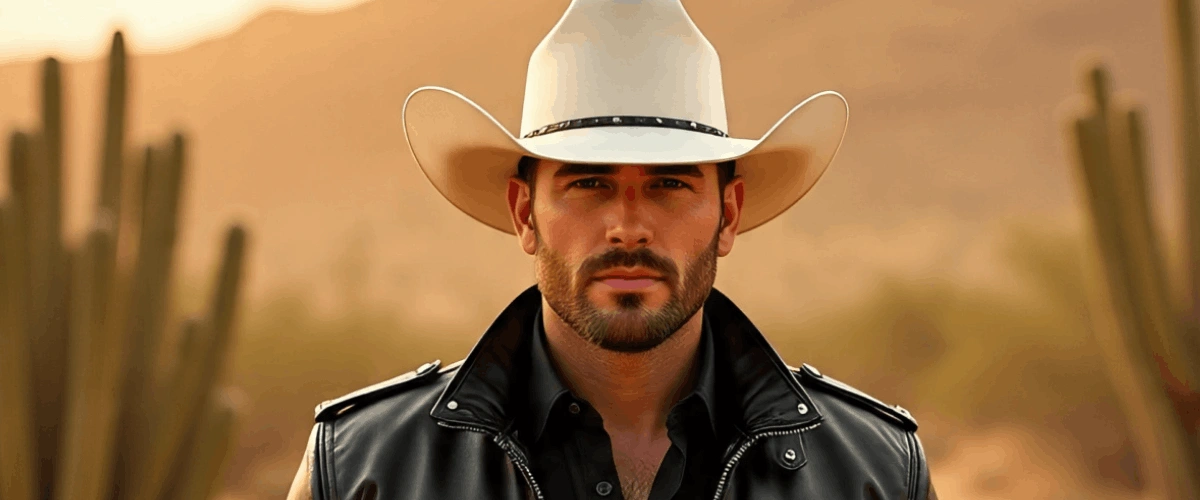
When the world stepped into theaters to watch Barbie, few expected a supporting character to spark a full-blown fashion revival. Yet that is exactly what happened. Cowboy Ken rode onto the screen with swagger, sparkle, and a wink of irony — and suddenly, Western wear felt new again.
But Cowboy Ken is more than fringe, rhinestones, and a catchy musical number. He represents a shift in how masculinity, nostalgia, and fashion intersect in modern culture. His look blends traditional rodeo elements with playful exaggeration, transforming classic Western style into something expressive, self-aware, and trend-forward.
Let’s break down who Cowboy Ken really is, why his aesthetic matters, and how he helped reignite a global Western fashion movement.
The Origins of Ken: From Plastic Doll to Cultural Symbol
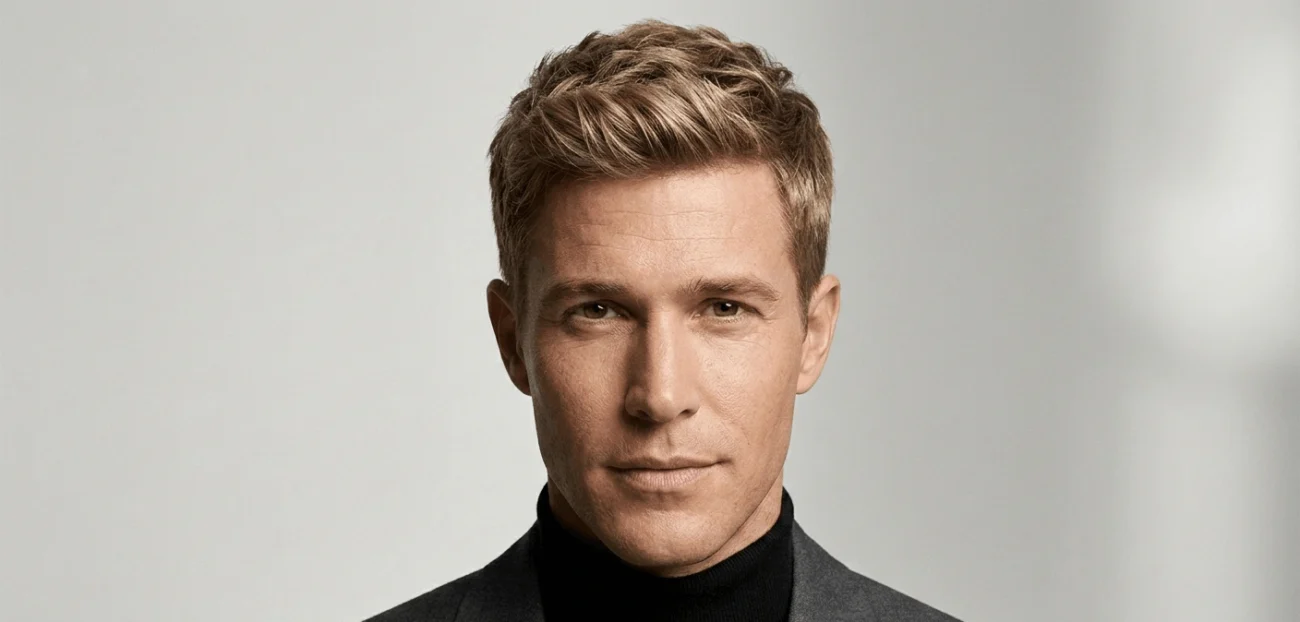
Before Cowboy Ken became a viral sensation, Ken was already a long-standing figure in pop culture. Introduced by Mattel in 1961, Ken began as the clean-cut counterpart to Barbie. Over the decades, he took on countless roles — doctor, lifeguard, astronaut, athlete — mirroring shifting ideals of masculinity and style.
But for years, Ken was often seen as secondary. He existed beside Barbie, rarely commanding attention on his own. That changed dramatically when Ryan Gosling portrayed him with humor, vulnerability, and surprising depth.
The film didn’t just update Ken’s personality. It reinvented his cultural relevance.
What Makes Cowboy Ken Different?
Cowboy Ken isn’t a rugged ranch hand. He isn’t dusty boots and quiet stoicism. Instead, he’s theatrical, confident, slightly over-the-top — and fully aware of the performance.
His Western aesthetic is intentionally amplified:
- White or pastel cowboy hats
- Embroidered Western shirts
- Fringe jackets
- Sparkling belts and bold buckles
- Statement boots
The look nods to classic rodeo culture while pushing it into glam territory. It’s not about authenticity in the traditional sense. It’s about reinterpretation.
Cowboy Ken wears Western style like a stage costume, celebrating it while also playfully exaggerating it.
The Barbie Effect: How Cowboy Ken Sparked a Fashion Revival
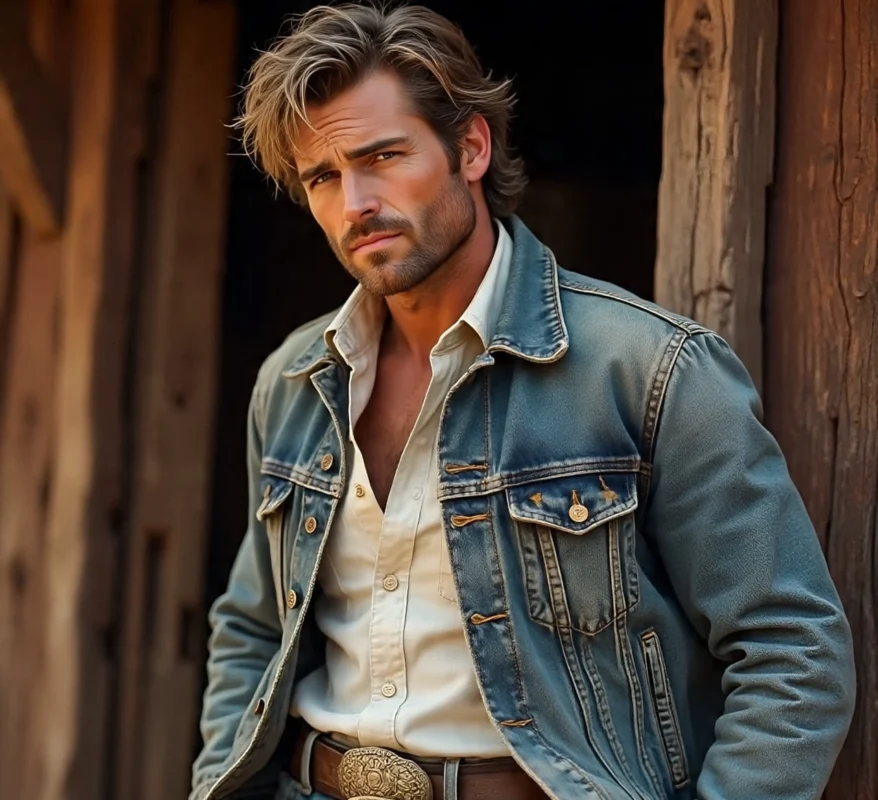
After the release of Barbie, Western fashion searches surged online. Retailers reported increased interest in cowboy boots, fringe jackets, and rhinestone details. Pink Western looks became festival staples.
The impact was immediate:
- Social media filled with “Cowboy Ken outfits”
- Western-inspired collections appeared in fast fashion and luxury brands
- Vintage Western pieces gained renewed popularity
- Music festival style leaned heavily into rodeo glam
Cowboy Ken made Western fashion accessible to people who had never set foot on a ranch. Suddenly, the aesthetic wasn’t limited to geography. It became cultural shorthand for bold confidence.
Breaking Down the Cowboy Ken Style
1. The Hat
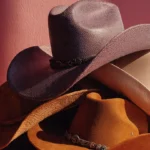
No Cowboy Ken look is complete without a standout cowboy hat. Traditionally, cowboy hats symbolize practicality — protection from sun and weather. Ken’s version turns that symbolism into spectacle.
White hats, pastel tones, and decorative detailing replace earthy browns. The silhouette remains classic, but the intention shifts from utility to statement.
For those exploring authentic Western headwear beyond costume styling, pieces like vintage cowboy hats offer timeless craftsmanship rooted in real ranch history, blending heritage with lasting durability.
2. The Jacket
Fringe plays a central role in Cowboy Ken’s wardrobe. Historically, fringe on Western jackets had functional origins, helping shed rain. In Ken’s world, fringe becomes movement and drama.
When he dances, the fringe amplifies every gesture. It transforms clothing into choreography.
This theatricality is key to understanding the revival. Western wear isn’t just about rugged practicality anymore. It’s about visual storytelling.
3. The Boots
Cowboy boots have long been symbols of American frontier culture. Cowboy Ken’s boots maintain the pointed toe and angled heel but often feature bold colors or embellishments.
The shift is subtle yet powerful. Boots that once signified hard labor now communicate style confidence.
4. The Color Palette
Traditional Western fashion leans toward earth tones: tan, brown, denim blue. Cowboy Ken flips the script with:
- Bright pinks
- Crisp whites
- Metallic accents
- Rhinestones and shimmer
The playful palette helped expand Western style beyond its regional roots. It feels festival-ready, urban, and global.
Masculinity Reimagined
Perhaps the most powerful aspect of Cowboy Ken isn’t what he wears — it’s what he represents.
For decades, Western fashion has been associated with a specific kind of masculinity: tough, reserved, emotionally contained. Cowboy Ken disrupts that stereotype.
He is expressive. He sings. He dances. He competes. He feels insecure. He tries too hard. He grows.
Through humor and exaggeration, the character invites audiences to reconsider rigid gender expectations. His flamboyant Western outfits challenge the idea that cowboy style must be stoic or hyper-masculine.
This layered portrayal turned fashion into commentary.
Western Fashion Before and After Cowboy Ken
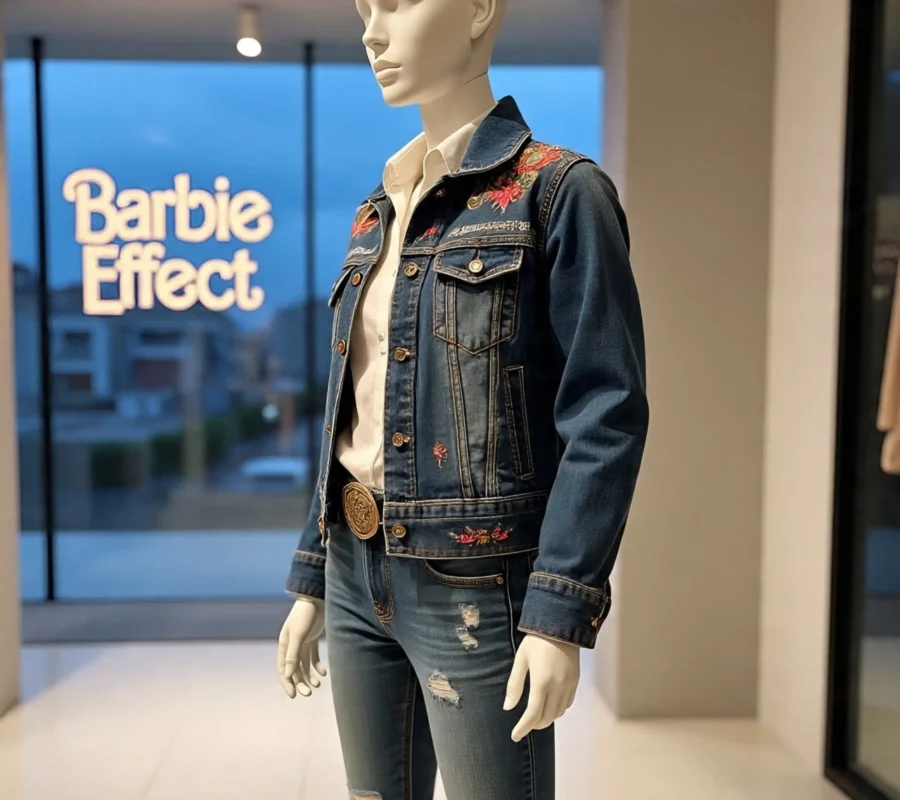
Before the film’s release, Western trends were already resurfacing in cycles — often driven by music festivals, country-pop crossovers, and nostalgia aesthetics.
After the film, however, the revival accelerated.
Before:
- Country concert wear
- Niche vintage communities
- Ranch and rodeo audiences
After:
- Mainstream fashion campaigns
- Streetwear adaptations
- High-fashion runway reinterpretations
- Viral TikTok outfit challenges
Cowboy Ken didn’t invent Western style. He amplified it for a new generation.
Social Media and the Cowboy Ken Aesthetic
Platforms like TikTok and Instagram played a massive role in spreading the look. Users recreated dance scenes, posted outfit transformations, and styled Western pieces with urban fashion.
The hashtag culture around the film fueled the movement. Suddenly, you didn’t need to live in Texas or Montana to wear a cowboy hat. You just needed attitude.
Western wear became less about location and more about vibe.
The Influence of Performance
It’s impossible to discuss Cowboy Ken without acknowledging performance culture. The character’s biggest fashion moments are tied to choreography and music sequences.
Clothing becomes part of the narrative. Fringe enhances motion. Sparkle catches stage lights. Boots anchor power stances.
This theatrical framing influenced how people styled Western pieces in real life. Outfits became photo-ready, festival-ready, and stage-ready.
Nostalgia Meets Modernity
One reason Cowboy Ken resonated so strongly is nostalgia. Western imagery has always held mythic power — the lone rider, the open frontier, freedom under wide skies.
By blending that imagery with playful modern irony, the film created something familiar yet fresh.
Nostalgia without reinvention can feel dated. Cowboy Ken offered reinvention.
The Economic Impact of the Western Revival
Retail analytics following the film’s success showed measurable spikes in Western-related searches and sales. While Western fashion has always experienced periodic revivals, this wave felt broader.
Major retailers expanded Western sections. Boutique brands leaned into fringe and rhinestones. Even luxury houses introduced cowboy-inspired pieces.
The ripple effect extended beyond clothing:
- Country music streams increased
- Rodeo events saw renewed interest
- Western-themed parties gained popularity
Cowboy Ken turned a costume into a commercial catalyst.
Authentic Western vs Pop Western
There is an important distinction between authentic ranch wear and pop-culture Western.
Authentic Western clothing prioritizes:
- Durability
- Weather resistance
- Practical design
Pop Western, inspired by Cowboy Ken, emphasizes:
- Visual drama
- Color experimentation
- Playful exaggeration
Both can coexist. In fact, the revival created new appreciation for craftsmanship behind traditional Western garments.
Why Cowboy Ken Resonated Globally
Western fashion is deeply tied to American frontier history. Yet Cowboy Ken resonated worldwide.
Why?
Because the character isn’t about ranch life. He’s about identity. His journey explores belonging, validation, and self-definition — universal themes.
The cowboy aesthetic becomes symbolic rather than regional.
International audiences embraced the look not as cultural appropriation but as pop-cultural expression.
Festival Culture and the Ken Effect
Music festivals became one of the strongest arenas for Cowboy Ken-inspired fashion.
Attendees paired:
- Fringe jackets with crop tops
- Rhinestone belts with denim shorts
- Cowboy hats with modern sneakers
The mix-and-match approach reflects how trends evolve. Western style is no longer confined to country music settings. It’s adaptable.
The Future of Western Fashion
Trends rise and fall, but Western style has proven cyclical. The difference now is that the revival is more inclusive.
Cowboy Ken opened the door for:
- Gender-fluid Western styling
- Bold color experimentation
- High-low fashion combinations
- Vintage-meets-modern layering
Rather than replacing traditional cowboy culture, this movement expands it.
Is Cowboy Ken Just a Trend?
Skeptics might argue that Cowboy Ken is simply a temporary fashion moment. However, the broader cultural shift suggests something deeper.
When a fictional character influences retail markets, social media behavior, and runway collections, it signals more than hype. It reveals a hunger for playful reinvention of classic archetypes.
The cowboy archetype has always symbolized independence. Cowboy Ken adds emotional complexity and humor to that image.
That layered reinterpretation is what gives the revival staying power.
Final Thoughts: More Than Fringe and Flair
Cowboy Ken isn’t just a costume or meme. He’s a cultural pivot point.
He bridges past and present, tradition and parody, masculinity and vulnerability. His Western style captures attention, but his narrative keeps people engaged.
Fashion revivals often begin with nostalgia. They last when they connect to identity. Cowboy Ken did both.
Whether you embrace full rhinestone glam or prefer subtle Western accents, one thing is clear: the cowboy is no longer confined to the frontier.
He’s on the runway. He’s on your social feed. And thanks to one unforgettable cinematic moment, he’s riding confidently into modern fashion history.