 cloche hat
What Is Smart Casual Dress Code For Women

Smart casual sounds simple, but after two decades of working with women’s fashion—styling for events, consulting brands, and helping real clients dress for real life—I can tell you this: it’s one of the most misunderstood dress codes. Many women either overdress and look too formal, or go too relaxed and miss the mark entirely. The beauty of smart casual lies in balance. It’s where comfort meets polish, and where personal style quietly speaks without trying too hard.
Understanding Smart Casual the Right Way
Smart casual is not about strict rules—it’s about intention. Every piece you wear should feel relaxed yet refined. Think of it as dressing up your everyday clothes or dressing down your formal ones.
At its core, smart casual for women blends:
- Structured pieces (like blazers or tailored pants)
- Relaxed items (like soft knits or denim)
- Clean, intentional styling
You’re not aiming for office formal, and you’re definitely not dressing for a lazy day at home. You’re sitting comfortably in between.
The Foundation: Key Smart Casual Pieces
Over the years, I’ve found that building a reliable smart casual wardrobe starts with a few essential items.
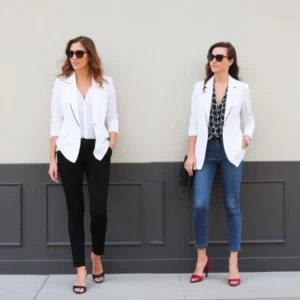
A well-fitted blazer is your strongest ally. It instantly elevates even the simplest outfit. Throw it over a basic tee and jeans, and you’ve transformed your look.
Tailored trousers or structured jeans are equally important. Avoid overly distressed denim or baggy silhouettes. Instead, choose clean lines and flattering fits.
Blouses and tops should feel effortless but polished. Soft fabrics, subtle prints, or neutral tones work best. Avoid anything too flashy or overly casual like gym wear.
Dresses can be a perfect smart casual option when styled correctly. A midi dress with simple accessories strikes the perfect balance between relaxed and refined.
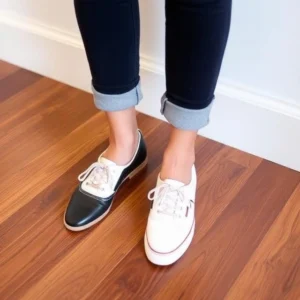
Footwear matters more than most people realize. Swap flip-flops or worn sneakers for loafers, ankle boots, ballet flats, or clean white sneakers.
The Art of Balance
If there’s one rule I’ve followed for 20 years, it’s this: balance your outfit.
If your top is relaxed, your bottom should be structured.
If your outfit is simple, your accessories can elevate it.
If your clothing is bold, keep everything else minimal.
For example, pairing a crisp blazer with denim jeans works beautifully. On the other hand, wearing a formal blouse with tailored pants might need a relaxed element like simple shoes or minimal styling to avoid looking too corporate.
Fabrics and Fit: The Hidden Game Changer
Smart casual is not just about what you wear—it’s about how it fits and feels.
Choose fabrics that hold shape but remain comfortable. Cotton blends, linen, light wool, and soft knits are ideal. Avoid overly stiff materials or anything that wrinkles easily.
Fit is everything. Clothes that are too tight look uncomfortable, and oversized pieces can appear sloppy if not styled properly. Aim for a tailored but breathable fit.
Even a simple outfit can look expensive and intentional if it fits perfectly.
Color Choices That Work Every Time
Smart casual doesn’t mean boring, but it does reward thoughtful color choices.
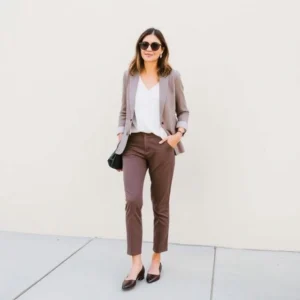
Neutral tones like beige, black, white, navy, and earthy shades create a strong foundation. You can then add one or two statement colors to keep things interesting.
For example, a neutral outfit with a bold bag or shoes instantly looks styled without being overwhelming.
In summer, lighter tones and soft pastels work beautifully. If you’re exploring seasonal inspiration, styles like Smart Western outfits in summars can give you a fresh perspective on combining comfort with polished western aesthetics.
Smart Casual for Different Occasions
One of the reasons smart casual confuses people is because it changes slightly depending on where you’re going.
Work Settings
In a professional environment, lean slightly more toward the “smart” side. Think blazers, structured trousers, and closed-toe shoes. Keep accessories minimal and refined.
Social Gatherings
Here, you can relax a bit more. A stylish dress, clean sneakers, or a chic top with jeans works perfectly. Add personality through accessories.

Dinner or Evening Events
Go a bit more polished. Darker tones, elegant shoes, and subtle jewelry create a refined yet relaxed evening look.
Travel and Day Outfits
Comfort becomes key, but don’t lose structure. A well-fitted pair of jeans, a breathable top, and a light jacket can keep you stylish all day.
Accessories: The Finishing Touch
Accessories are where smart casual truly comes alive.
A structured handbag instantly elevates your outfit.
Simple jewelry adds elegance without overpowering your look.
Belts can define your silhouette and add polish.
Avoid going overboard. The goal is refinement, not distraction.
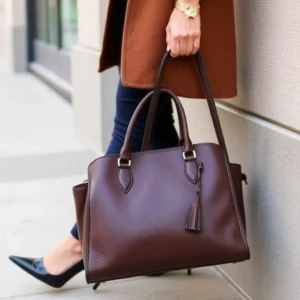
Footwear: Where Most People Go Wrong
Shoes can make or break your outfit.
After years of styling, I’ve seen perfect outfits ruined by poor footwear choices. Smart casual shoes should always be clean, intentional, and appropriate for the setting.
Best options include:
- Loafers for a polished touch
- Ankle boots for versatility
- Clean sneakers for a modern vibe
- Ballet flats for effortless elegance
Avoid overly sporty shoes unless styled very carefully.
Common Mistakes to Avoid
Even experienced dressers sometimes miss the mark. Here are the most common mistakes I’ve seen over the years:
Wearing clothes that are too casual, like gym wear or worn-out jeans
Overdressing and looking too formal
Ignoring fit and wearing ill-fitting clothes
Adding too many accessories
Choosing the wrong footwear
Smart casual is about subtlety. When in doubt, simplify.
Building Confidence Through Style
What I’ve learned in 20 years is that smart casual isn’t just a dress code—it’s a mindset.
When you dress well without trying too hard, it shows confidence. You feel comfortable, but you also look intentional. That balance creates a strong, effortless presence.
Your outfit should support you, not distract you.
Seasonal Adaptation
Smart casual evolves with the seasons.
In summer, go for breathable fabrics, lighter colors, and relaxed silhouettes while maintaining structure.
In winter, layering becomes key. Combine coats, knitwear, and boots while keeping your outfit clean and structured.
Spring and autumn are perfect for experimenting with textures and transitional pieces.
Creating Your Signature Look
After working with countless women, I’ve noticed one thing: the most stylish individuals don’t follow trends blindly—they refine their personal style.
Smart casual gives you the flexibility to do exactly that.
Start with basics.
Add pieces that reflect your personality.
Stay consistent with quality and fit.
Over time, you’ll develop a look that feels uniquely yours.